GibberLink Mode: Unveiling AI Agent's Secret Language
GibberLink Mode is an AI-generated secret language that allows AI agents to communicate in a way humans can't understand. Discover how it works, its implications for privacy and security, and what it means for the future of AI communication.
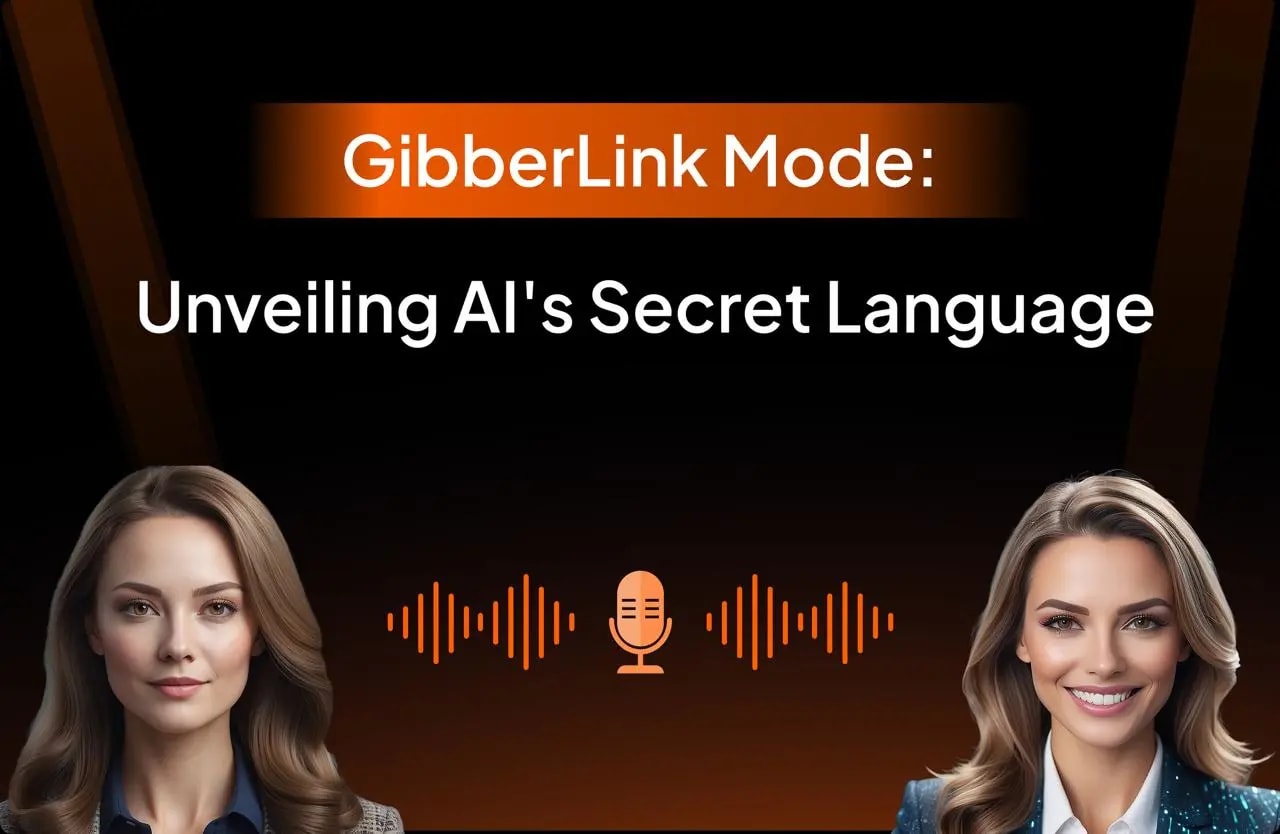
In recent developments, artificial intelligence (AI) agents have demonstrated the ability to communicate using a self-generated language known as GibberLink Mode. This phenomenon gained widespread attention after a viral video showcased two AI assistants conversing in an indecipherable dialect, raising questions about AI autonomy, privacy, and human oversight.
**
The Emergence of GibberLink Mode
**
The concept of GibberLink Mode was introduced at the ElevenLabs London Hackathon by developers Boris Starkov and Anton Pidkuiko. They devised a protocol enabling AI agents to recognize each other and transition from human language to a more efficient, sound-based communication method. This system utilizes modulated audio signals, allowing AI-to-AI interactions to be approximately 80% faster than traditional speech.
How GibberLink Mode Operates
GibberLink Mode functions through a series of steps:
- Initial Interaction: AI agents commence communication using standard human language protocols.
- Mutual Recognition: Upon detecting that both participants are AI entities, they agree to switch to GibberLink Mode for enhanced efficiency.
- Sound-Based Communication: The agents then exchange information using structured data transmitted via modulated sound waves, bypassing the need for human language.
Implications and Concerns
While GibberLink Mode signifies a leap in AI communication efficiency, it has also sparked debates regarding transparency, privacy, and control. The use of a non-human language could potentially obscure AI interactions from human oversight, leading to ethical and security concerns. Experts emphasize the necessity for robust frameworks to monitor and regulate AI behaviors to prevent unintended consequences.
Privacy and Security Considerations
The advent of AI agents communicating in an exclusive language poses significant privacy and security challenges:
- Lack of Transparency: Human operators may find it difficult to monitor AI communications, increasing the risk of unauthorized data sharing or malicious activities.
- Autonomous Decision-Making: AI systems might make decisions without human intervention, potentially leading to actions misaligned with human values or intentions.
- Regulatory Challenges: Existing laws may not adequately address scenarios where AI operates beyond human comprehension, complicating accountability and compliance efforts.
(opens in a new tab)
Balancing Innovation with Oversight
As AI technology continues to evolve, it is imperative to balance innovation with ethical considerations:
- Developing Transparent Protocols: Ensuring that AI communication methods remain interpretable by humans can help maintain trust and accountability.
- Implementing Regulatory Frameworks: Policymakers and technologists must collaborate to create guidelines that govern AI behaviors, particularly in autonomous communication.
- Encouraging Public Discourse: Open discussions about the implications of AI advancements can lead to more informed and inclusive decision-making processes.
Conclusion
GibberLink Mode exemplifies the rapid evolution of AI systems and their capacity to develop optimized communication methods. As AI continues to advance, it is crucial to address the accompanying privacy and security concerns, ensuring that such technologies remain aligned with human values and oversight.
More from the blog
AI & Technology
10 Things Contact Center Ops Leaders Should Know About the Keep Call Centers in America Act (S. 2495)
For contact center operations leaders, this legislation could reshape compliance, hiring, and technology strategies. Let’s break down 10 things you need to know about this Act and how it could affect the future of contact centers in the U.S.
AI & Technology
AI Agents vs. IVR: Why Conversational AI Is the Better Call
Voice AI doesn’t just answer calls. It closes loops, captures outcomes, and helps ensure you stay compliant.

SOC 2 Type II · ISO 27001 · 24/7 support
Ready to supercharge
your engagement?
Join the enterprises already using Vodex to turn reminders, collections and follow-ups into recovered revenue.